Systems thinking · Free trial · B2B2C
Accelerating the Sales Cycle
Creating a solution library for 15x faster customer insights.

My role
I led the design from concept to execution



2 Engineers
Engineering Team
The proof of concept launched in September of 2021.
The Problem
Customers didn't want to wait 4-6 weeks to see our capabilities.
Customers spent significant time explaining their goals to our team just to understand if we could solve them.
This services-heavy process was not scalable: team members across solutions consulting, customer success, data acquisition, and data quality spent 4-6 weeks delivering data before a customer could sign a contract.
Success Metric
Enable Product Qualified Leads for the first time
The Discovery
We approached the project as a Design Sprint
To derisk investing in the wrong thing, we ran a design sprint and went from research to prototype in a few weeks.
I interviewed our solution consultants and client success team to map out the customer journey and understand touchpoints. We discovered that the process involved numerous demos and exchanging project information via email just to get started.
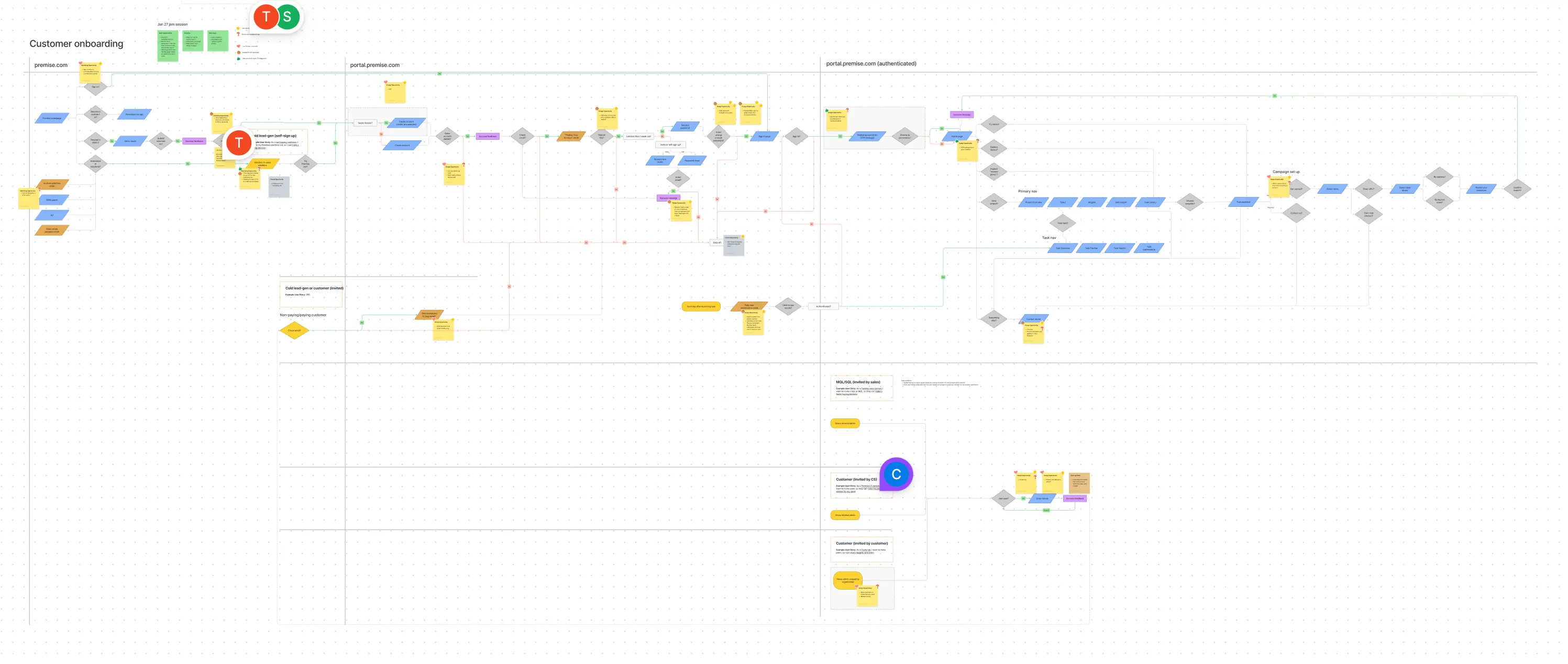
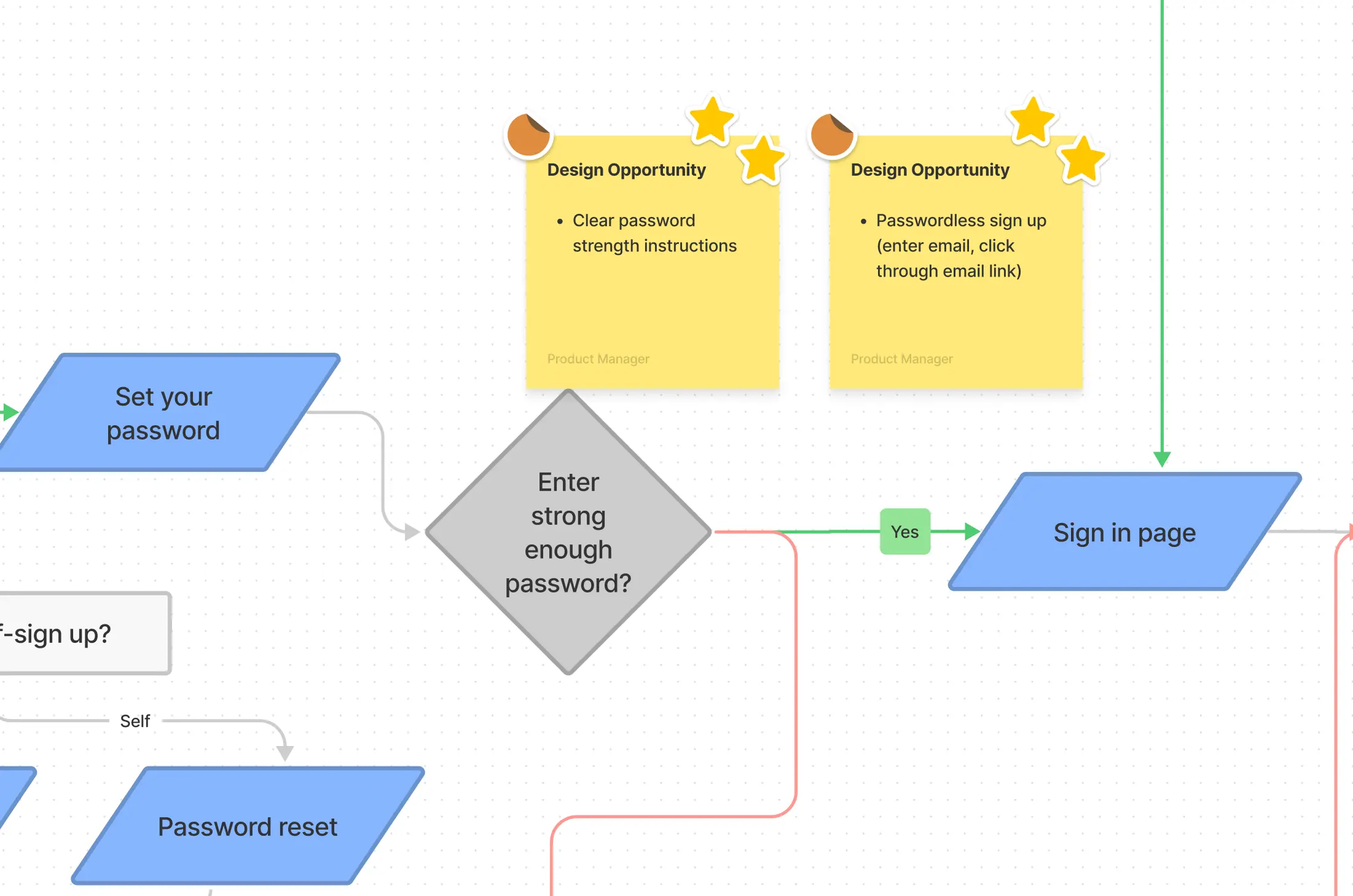
I created this diagram to map the onboarding process from the marketing site to signing up for a demo account. I discovered we lacked essential authorization features, such as organizations and roles/permissions. Additionally, the sign-up flow had usability issues.
We interviewed customers and learned...
- • They wanted to see what we were capable of and get inspired by existing solutions.
- • They didn't mind if we couldn't perfectly solve their problem if they could leverage an existing solution that gets them data faster.
- • They felt like waiting 4-6 weeks to run a survey was a negative first impression that would be factored into their purchase decision.
How might we show customers value up front and deliver insights in days not weeks?
The Solution
We converged on a self sign-up demo experience
Instead of a services-heavy onboarding process, we designed a self-service demo experience where customers could browse use cases, collect data, and see results in days rather than weeks.
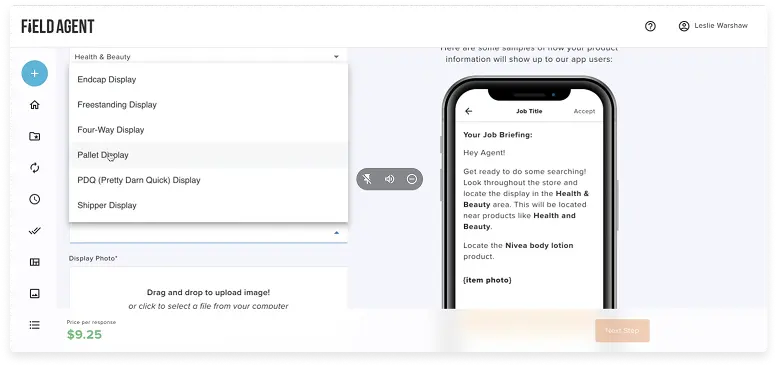
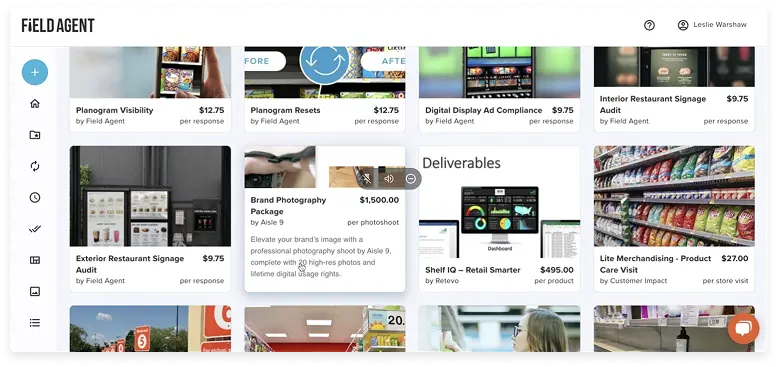
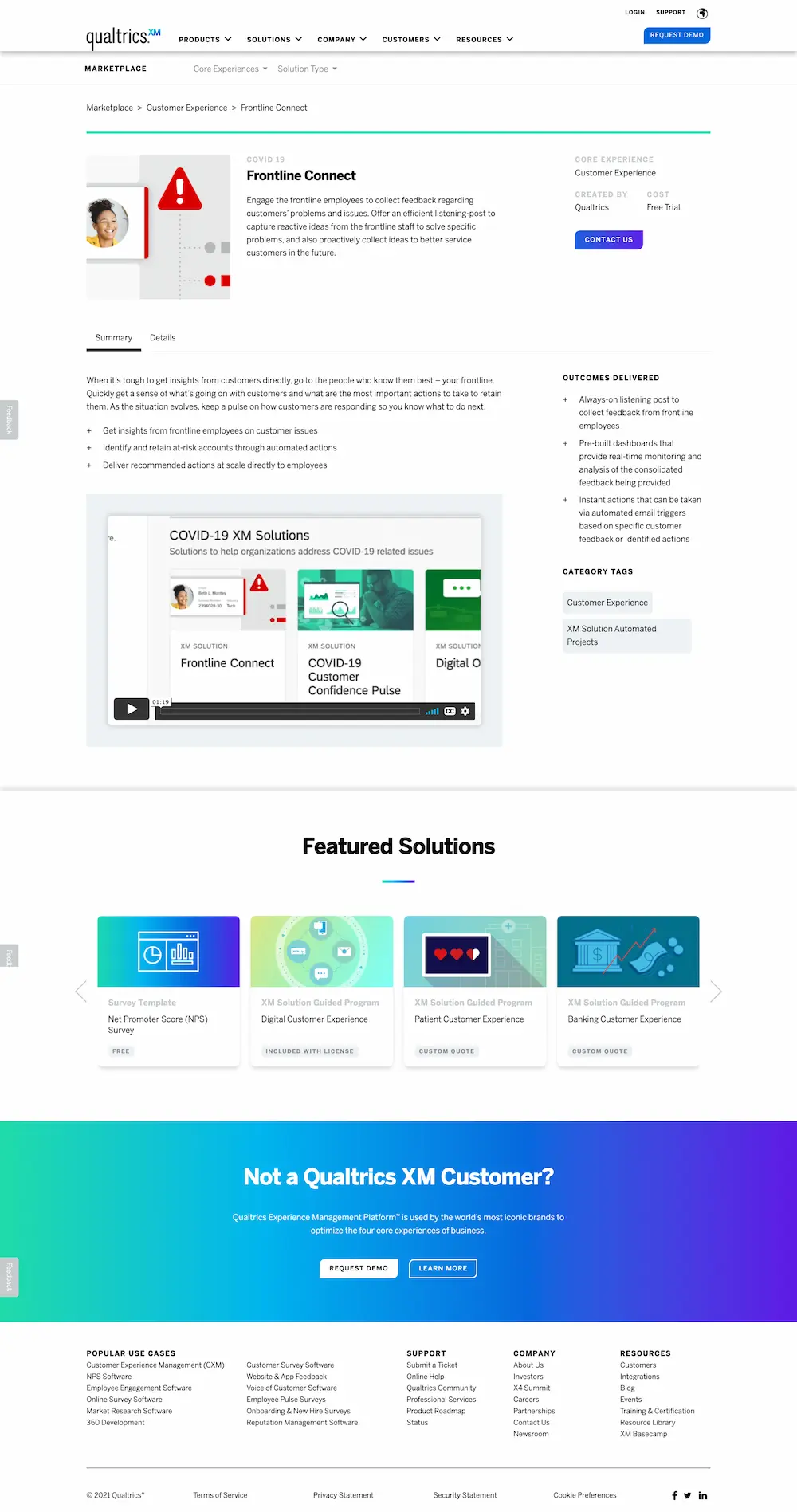
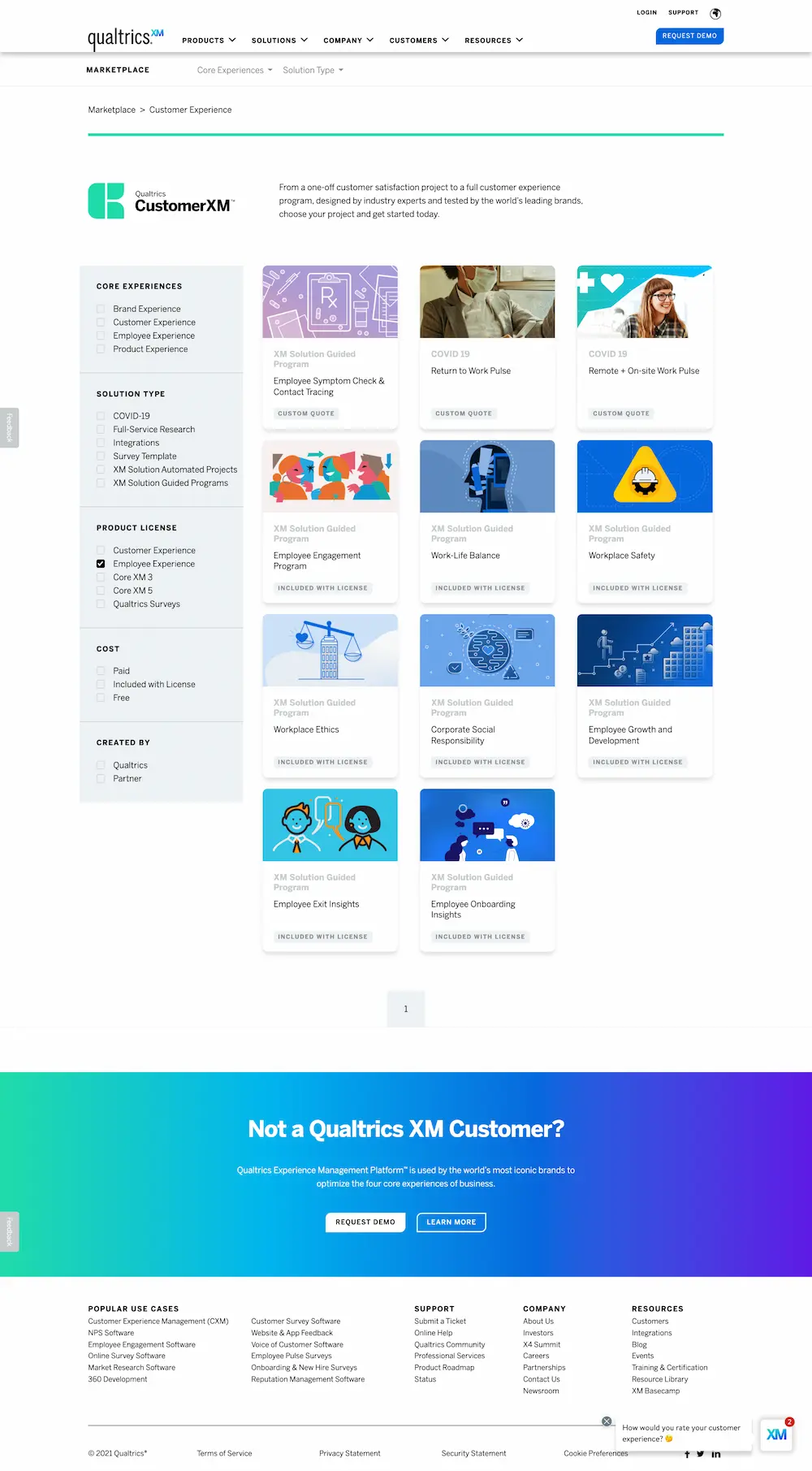
I looked for inspiration
I studied how other products demonstrated their value and created demo experiences that allowed users to try out various use cases.
Iterated on the workflow
I tested two task creation workflows and initially found the single-page option more intuitive. However, I opted for the multi-page option because choices on one page influenced options on subsequent pages.
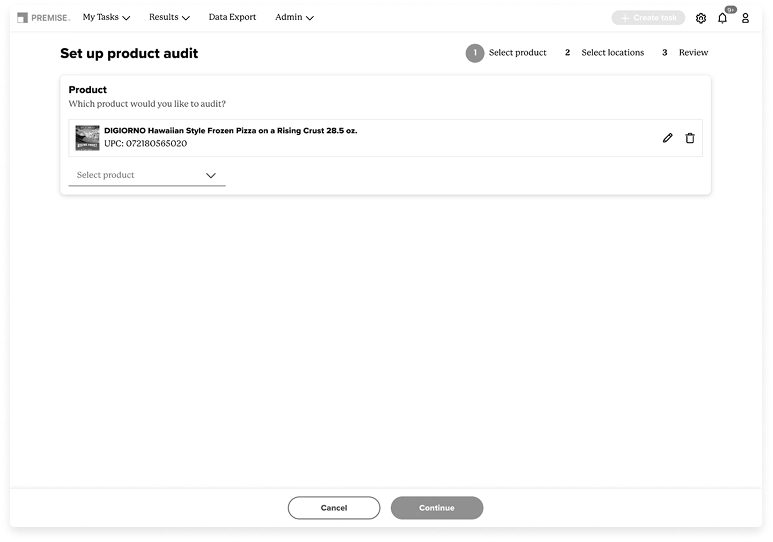
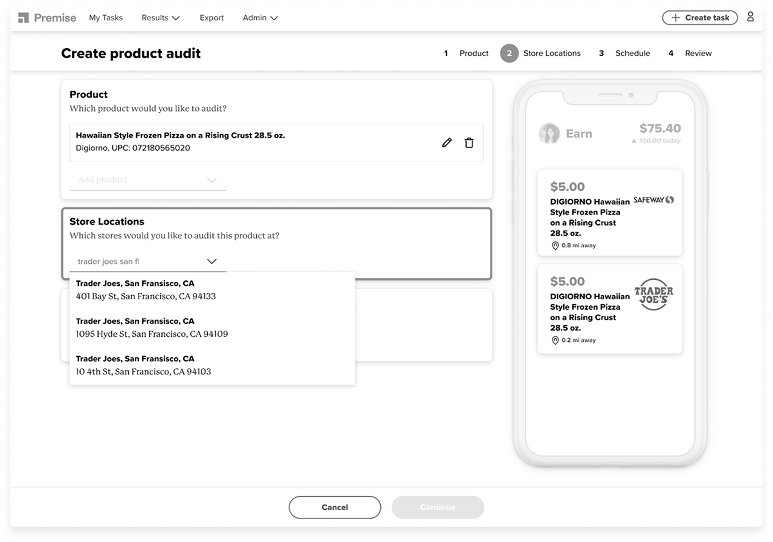
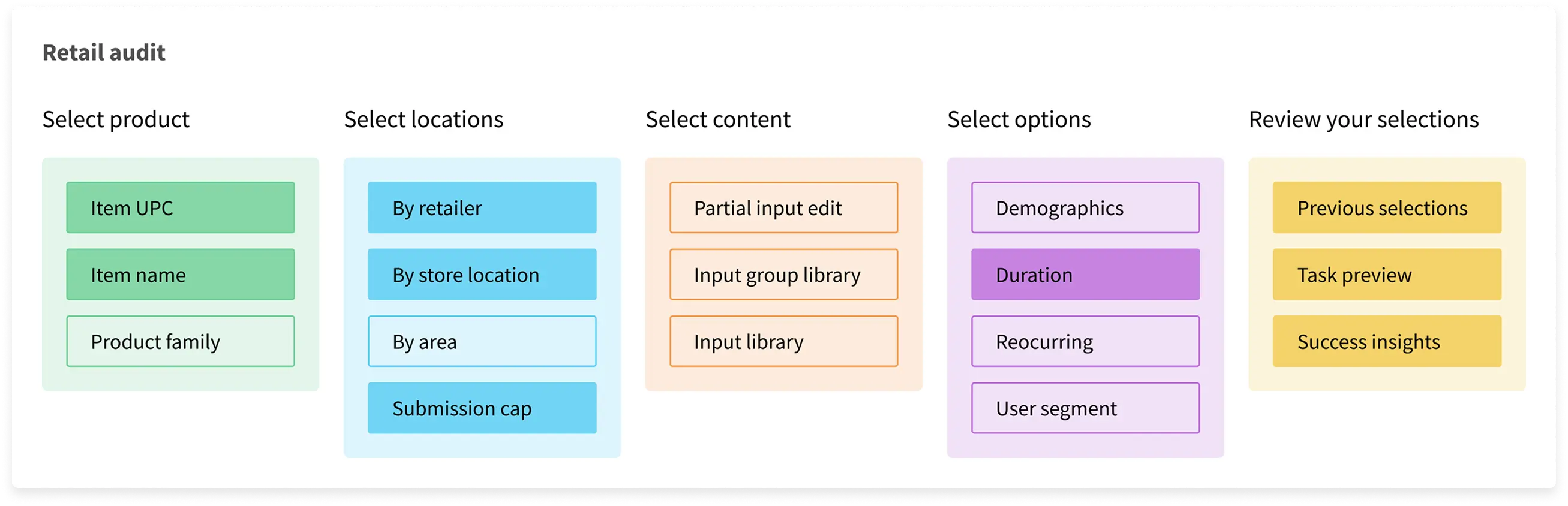
I applied systems thinking to scaling to various use cases
I considered how different use cases could work in a multi-step flow and how each page would have different inputs. Each color here represents a different page and each solid block shows the feature required.
The Experience
Introducing a Solution Library
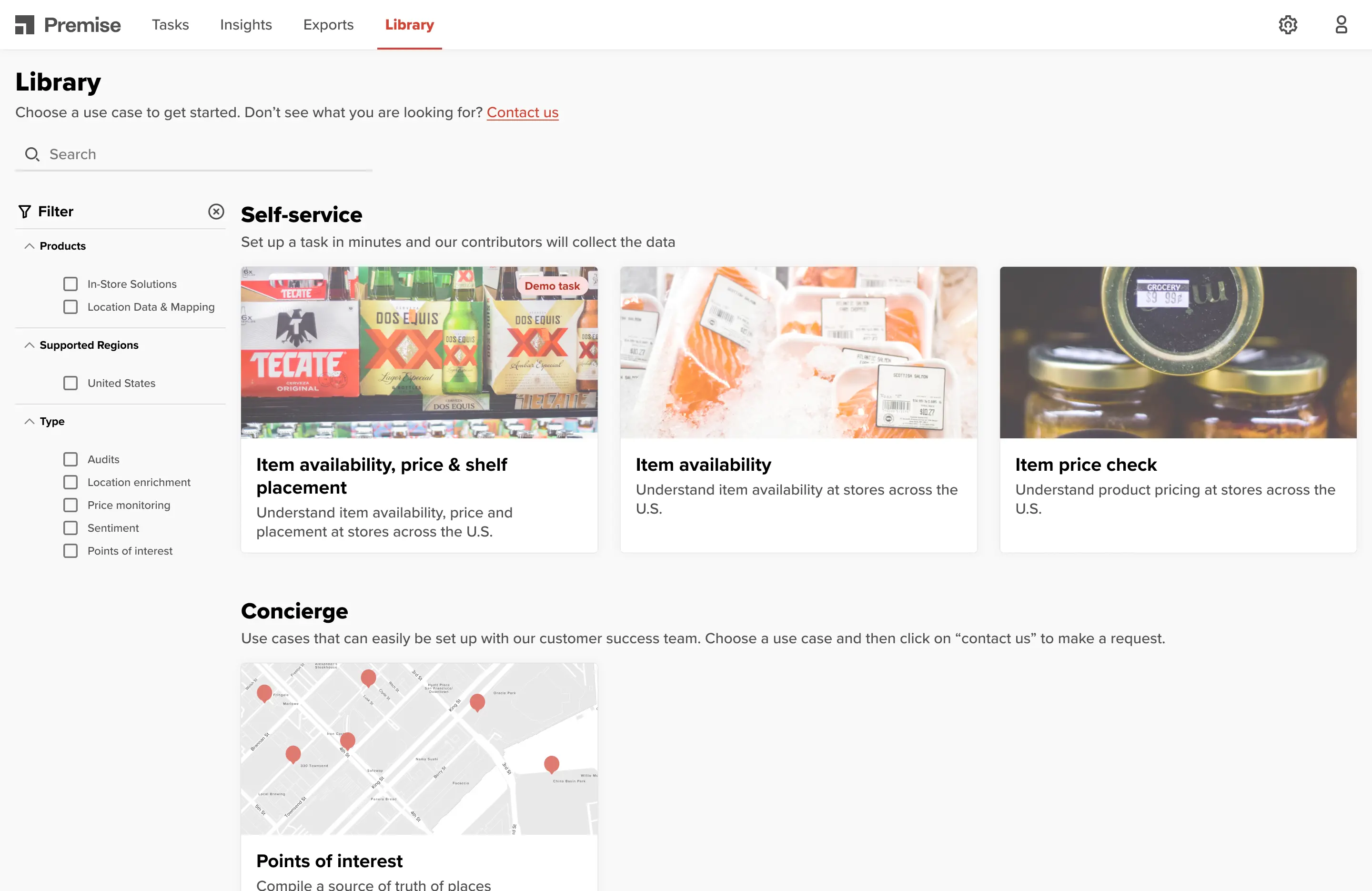
Show what we are capable of
Customers can now browse existing use cases to discover the platform's capabilities. Previously, they were unaware of what we could deliver.
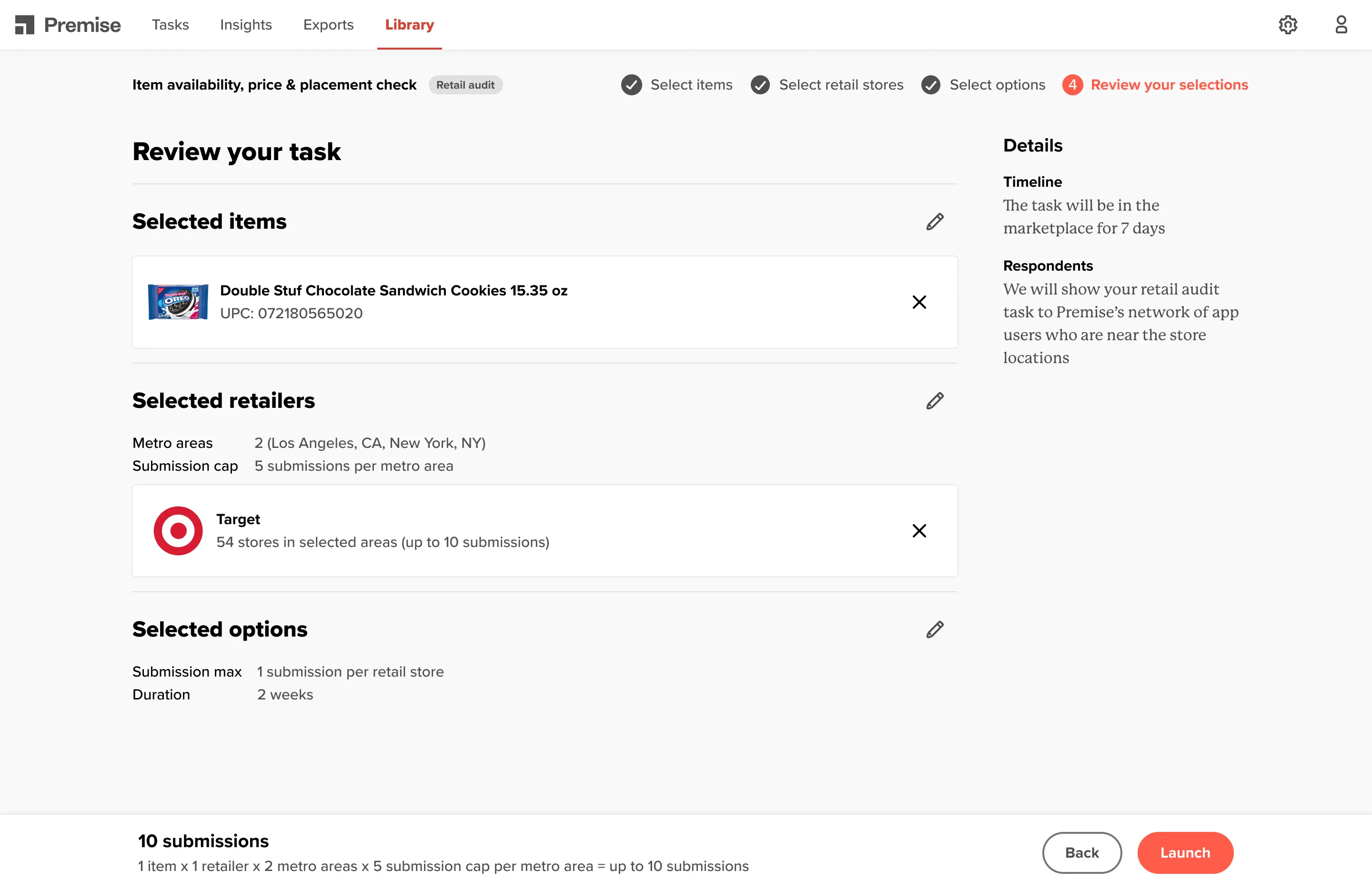
Demonstrate the power of our global gig-worker network
Customers can collect data via a guided self-service workflow and see the results in 1-2 days rather than 4-6 weeks. We experimented with a products API and locations API to create a Proof of Concept for the first use case around Product Availability.
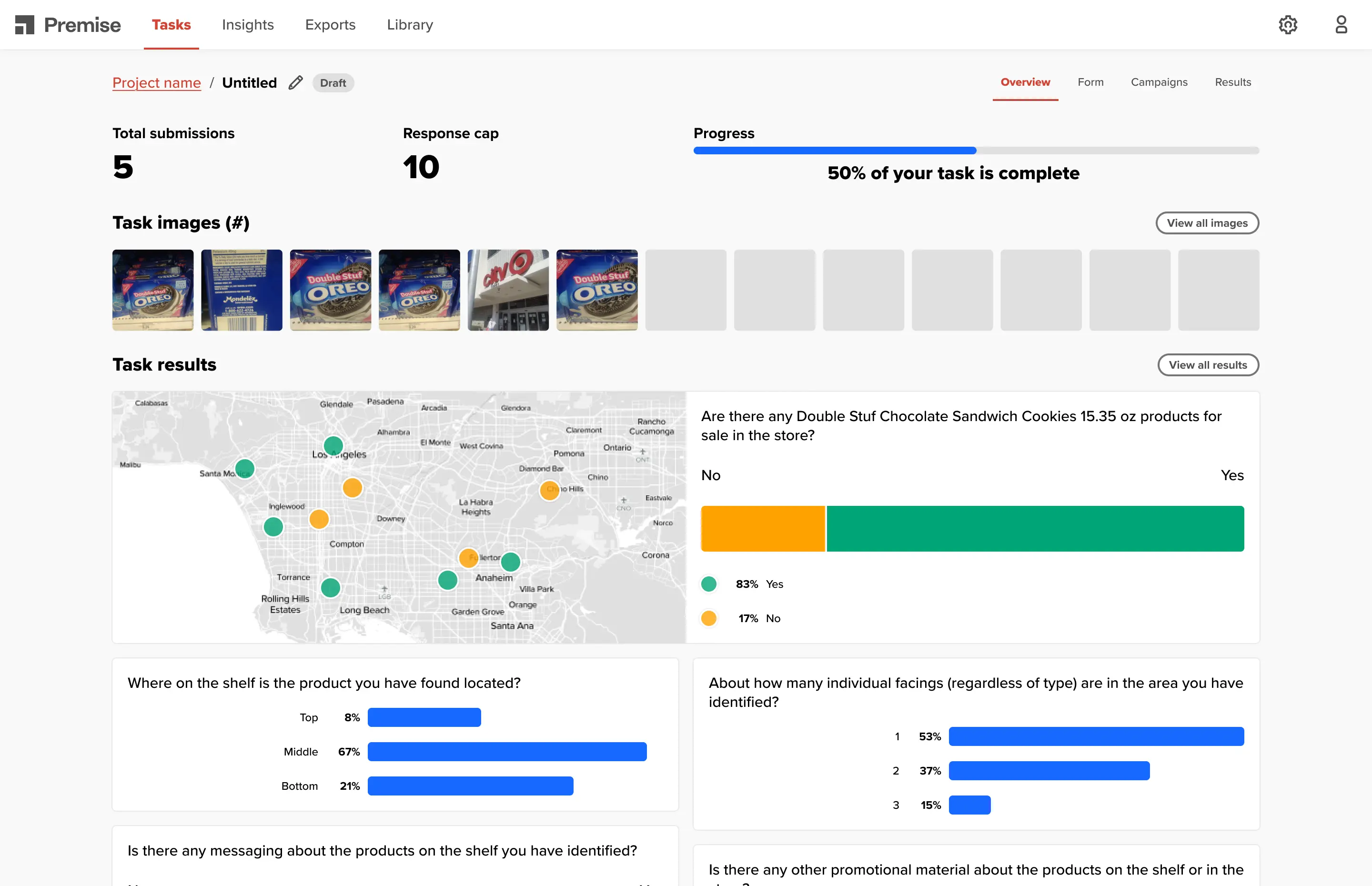
Deliver insights rather than a flat file
We designed a simple view of the results that could scale to different use cases with a module layout.
The Impact
Continuous learning & better alignment
We failed fast and learned critical lessons through this project. Most of the team was new to the company, so this experience proved to be the ultimate onboarding exercise.
- • Without marketing bringing in leads we weren't going to get PQLs and we learned that the marketing team would be better suited to solve some of the problems we were hearing from customers before attempting to do so in the product.
- • We learned that the sales strategy was focused on large enterprise (not small-medium enterprise as product leadership believed) so it was too risky to expect customers would take a self-service approach.
- • We learned that our gig-worker networks were not robust enough to let customers run data collection even with UX guardrails in place. In addition, our form builder and campaign management tools had a severe learning curve and limitations to many use cases.
We succeeded by aligning better with leadership after creating a low-resource Proof of Concept. This brought clarity to our strategy and roadmap moving forward.
Want to see more?
Get in touch with me to see my in-depth case studies.